Unanswered calling
Have you ever felt there is a calling in your life you have not answered? A map to a treasure chest, like the one in ‚The Goonies’, now collecting dust in an attic?
THINK. Learning is my thing*. To the point of overheating. I used to compulsively listen to podcasts. Now I have an AI assistant that directs me to episodes, topics and guests I would be most drawn to; serving me recaps, time stamps and references; learning from my reactions. I also trained myself to pause for 2 minutes and note down 2-3 things I was most inspired by.
I feel much less pressure. I build on these observations.
Unanswered calling, and how it is bleeding into our lives regardless, struck me in a moment of a writer’s mini block (I use AI for learning and research, but never to express myself through my journals, so writer’s block is a real thing). My professional life took quite a peculiar path: from a literature & film student to a corporate executive; from a somewhat shy, long-haired kid to a trained extrovert on stage - with many trade-offs along the way. But the memory remained.
My colleague, coach and writer James, introduced me to Clifton Strengths. Reluctant at first and alert to avalanche of self-improvement narratives, I decided to it a try. What came back was stunningly sharp and accurate. Achiever. Analytical. Learner. Arranger. Intellection.
I reflected on the origins of Caring Geek Journal and how it came to life as part of my role at work, and how it later evolved to much more personal and honest narrative on values and ideas that matter to me.
It is only now that I realize how I crafted my unanswered calling into my career, life rhythm and social connections.
I am sure you have one. Or plenty. Consider that!
FEEL. I am a few days away from World Finance Forum in Dublin where I was invited to speak as part of CFO keynote panel. Writer’s block, it seems, has a solid company.
Impostor syndrome is a phenomenon that is very easy to explain and hard to combat. The feeling of inadequacy despite independently strong credentials. Fear, irrational as ever, of being found out. Skyrocketing self-expectations voiced by internal critic. This is as humane as it gets. And common as hell.
I had 3 coaching conversations this week and, somewhat unsurprisingly, each of these revolved around impostor syndrome. Somebody well used to perform at the top of their capability moved to a new role profile. A person who is restarting their career after a series of personal choices. A professional with impeccable track record who just made a bad business decision (possibly first, unseen to most and not that impactful after all).
Why do we tend to overvalue other people's (potential) opinions over self-belief? And what is failure, anyway?
DO. A parent of a teenager is a source of bottomless cringe. Well, I know I am! But could the flipside to cringe be... courage?
Our social circle includes many parents and one of them happens to be an improv actor and a theatre director. I was always fascinated with improv abilities on stage - embracing one's bodily expression, use of language, on-the-spot imagination and creating instant relation with others. But most importantly, ability to bomb the scene and... move on.
Could that be how one gains immunity to impostor syndrome?
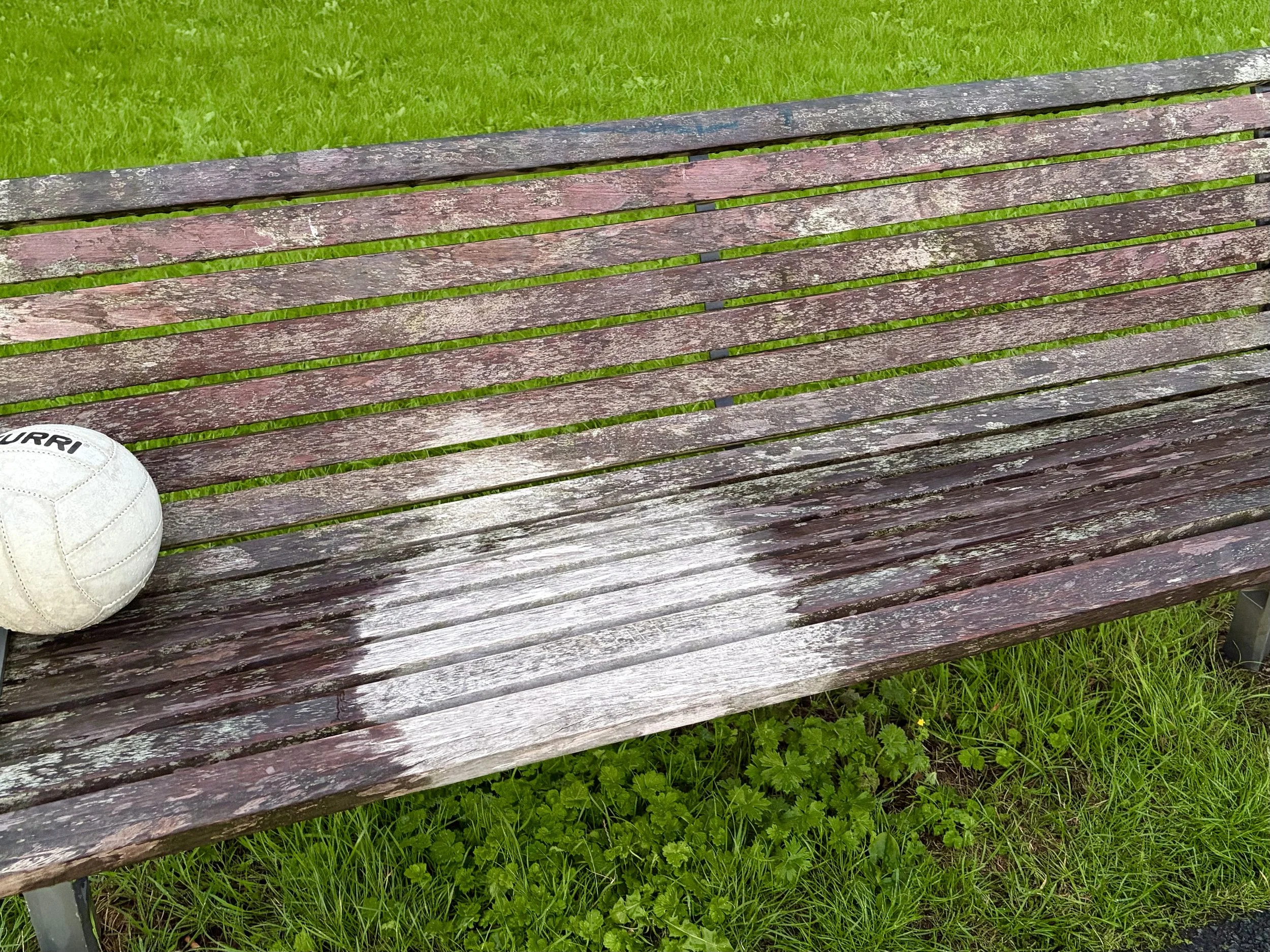
After years of living in Ireland, my son has joined a GAA club in our area a week ago. Getting soaked on a bench, as a proper cringe parent I could not resist to watch his first steps on a hurling pitch.
Running amongst some kids clearly born with a hurley, he did not seem intimidated. The first thing he said to me when off a pitch was 'It was fun, I wanna come back'. Pure resilience.
I admired him even more than evening, drying out our drenched clothes.
